Kedarkantha Trek: Distance, Weather, Height, Itinerary & Package

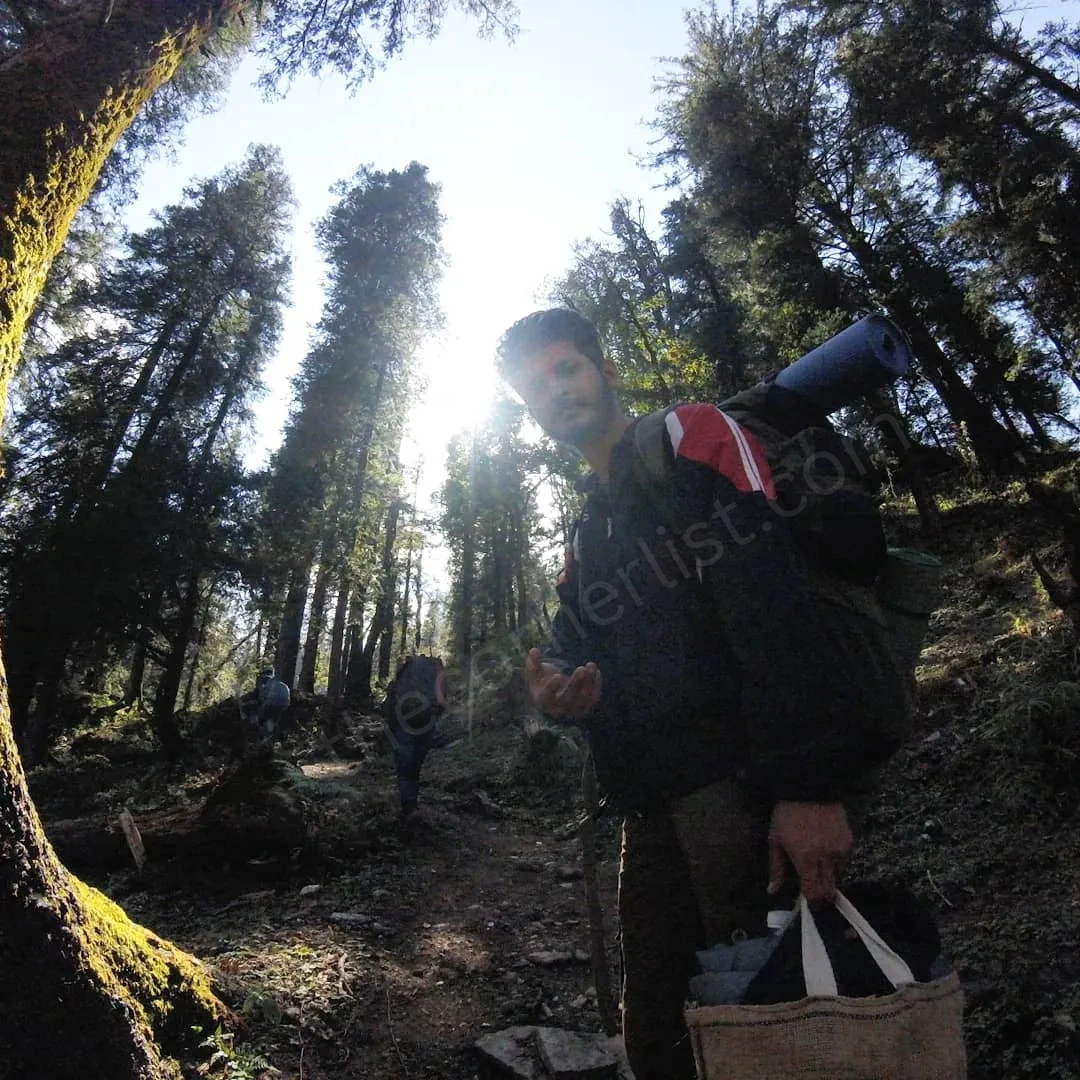
Kedarkantha Trek in 30 Seconds
- Best Experience: Snow-covered forests, frozen Juda Ka Talab, and sunrise views from the summit.
- Difficulty: Beginner-friendly but requires basic fitness, especially during winter.
- Best Season: December to February for snow; March-April for milder weather.
- Ideal For: First-time trekkers, solo travellers joining groups, and adventure seekers.
- Expected Cost: ₹6,500–₹12,000 depending on operator and inclusions.
The Kedarkantha Trek is one of India’s most popular winter treks, located in the Garhwal Himalayas of Uttarakhand. Known for its beginner-friendly trails, snow-covered landscapes, and rewarding summit views, it’s a great choice for both first-time trekkers and experienced hikers.
This guide covers everything you need to plan the Kedarkantha Trek, including the itinerary, distance, difficulty, best time to visit, weather, permits, package costs, and packing tips.
| Details | Information |
| Location | Uttarkashi, Uttarakhand |
| Highest Point | Kedarkantha Summit – 12,500 ft (3,810 m) |
| Mountain Range | Garhwal Himalayas |
| Base Village | Sankri |
| Trek Distance | Approx. 20–24 km (Round Trip) |
| Duration | 3-4 trekking days (5-6 days including travel) |
| Difficulty Level | Easy to Moderate |
| Best Time to Visit | December to April |
| Best For | Beginners, first-time trekkers & snow lovers |
| Permit Required | Yes (check latest requirements before travel) |
| Why Go | Snow-covered forests, frozen Juda Ka Talab & panoramic Himalayan summit views |
| Typical Package Cost | ₹6,500 – ₹12,000 |
Where is Kedarkantha Trek Located?
The Kedarkantha Trek is located within the Govind Pashu Vihar National Park & Sanctuary in the Uttarkashi district of Uttarakhand.
The trek begins from Sankri, a picturesque Himalayan village situated at approximately 6,400 ft (1,950 metres) above sea level. Sankri is often referred to as the Gateway to Himalayan Treks, as it serves as the starting point for several well-known routes, including Har Ki Dun, Bali Pass, Rupin Pass, and Borasu Pass.
Kedarkantha Trek Distance, Height & Difficulty
If you’re planning your trek, these are the key details you should know:
Kedarkantha Trek Height
The Kedarkantha Summit stands at 12,500 ft (3,810 metres) above sea level. At this altitude, the oxygen level is lower than at sea level, so maintaining a steady pace and staying hydrated is important.
💡 Tip: While the altitude is manageable for most healthy trekkers, it’s still advisable to be aware of symptoms such as persistent headaches, dizziness, or nausea. If you experience these symptoms, inform your trek leader immediately.
Kedarkantha Trek Distance
The overall trekking route covers approximately 20-24 kilometres (round trip). The exact distance may vary slightly depending on the campsite selected and the route followed by your trekking operator. Distance breakdown is:
| Trek Section | Approx. Distance |
| Sankri → Juda Ka Talab | 4 km |
| Juda Ka Talab → Kedarkantha Base Camp | 3-4 km |
| Base Camp → Kedarkantha Summit | 3 km |
| Summit → Sankri (via descent) | 10-12 km |
Is Kedarkantha Trek Difficult?
The Kedarkantha Trek is generally considered easy to moderate, making it an excellent choice for beginners. The trail is well-defined, and there are no technical climbing sections. However, trekking in snow and cold weather requires reasonable stamina and proper gear.
💡Tip: To prepare, it’s a good idea to spend a few weeks improving your fitness through activities such as walking, jogging, cycling, or stair climbing. It can significantly improve your endurance and make the trek more enjoyable
Kedarkantha Trek Itinerary
Most trekking operators follow a 4-day trekking itinerary, while the complete journey, including travel from Dehradun, usually takes 5 to 6 days.
Day 1: Dehradun to Sankri
- Distance: Around 200-250 km
- Travel Time: 7-10 hours
Your journey begins with a scenic drive from Dehradun to Sankri. The route passes through beautiful towns and villages, including Vikasnagar, Kalsi, Purola, Mori, and Naitwar, before gradually entering the Garhwal Himalayas.
As you approach Sankri, you’ll notice traditional wooden houses, terraced farms, dense forests, and panoramic mountain views that set the tone for the adventure ahead.
Most trekking groups conduct an evening briefing covering the itinerary, safety guidelines, and weather conditions.
Day 2: Sankri to Juda Ka Talab
- Distance: Approximately 4 km
- Duration: 4-5 hours
The trek begins through dense pine and oak forests, where you’ll see the wooden bridges, mountain streams, and occasional clearings offering beautiful valley views. Your destination for the day is Juda Ka Talab, one of the trek’s most scenic campsites.
During winter, the lake often freezes completely, creating a picture-perfect setting surrounded by snow-covered trees.
🔍 Do You Know: According to local folklore, the lake is believed to have formed when a lock of Lord Shiva’s hair (juda) touched the ground. While this story is part of local tradition rather than historical fact, it adds to the cultural charm of the region.
Spend the evening enjoying the peaceful surroundings before preparing for the next day’s climb to the base camp.
Day 3: Juda Ka Talab to Kedarkantha Base Camp
Distance: Approx. 3–4 km
Trekking Time: 3-4 hours
- After breakfast, trek through forests and alpine meadows as the trail gradually climbs to Kedarkantha Base Camp. In winter, the route is covered in snow and offers beautiful Himalayan views.
- This section is shorter than the previous day. Reach the base camp by afternoon, relax, and prepare for the early morning summit trek. Since temperatures drop below freezing at night, wear proper winter layers and keep your gear ready.
💡 Tip: Keep your headlamp, gloves, insulated jacket, and water bottle ready before sleeping. Most summit climbs begin well before sunrise.
Day 4: Kedarkantha Summit and Return
Distance: Approx. 6 km to the summit and back to camp (varies depending on the return campsite)
Highest Altitude: 12,500 ft (3,810 m)
Start your trek early in the morning to reach the Kedarkantha Summit by sunrise. The last section is the steepest and may be covered in snow during winter. From the top, enjoy clear views of peaks like:
- Swargarohini
- Bandarpoonch
- Black Peak (Kalanag)
- Ranglana
- Har Ki Dun Valley
- Several other Himalayan peaks stretching across the horizon
Kedarkantha has a wide and open summit area, giving trekkers enough space to rest, take photos, and enjoy the mountain views.
After spending some time at the top, return to the campsite and continue towards Sankri or the next campsite.
Best Time to Visit the Kedarkantha Trek
The best time for the Kedarkantha Trek depends on the kind of experience you’re looking for. While the trek remains accessible for much of the year, each season offers a different landscape.
| Season (Months) | What to Expect | Recommended |
| Winter (Dec – Feb) | Snow-covered trails, frozen lake (Juda ka Talab), cold temperatures | ⭐⭐⭐⭐⭐ |
| Spring (Mar – Apr) | Pleasant weather, patches of snow, blooming forests | ⭐⭐⭐⭐☆ |
| Summer (May – Jun) | Green landscapes and comfortable temperatures | ⭐⭐⭐⭐☆ |
| Monsoon (Jul- Aug) | Rain, slippery trails, low visibility | ⭐☆☆☆☆ |
| Autumn (Sep – Nov) | Clear skies and weather, clear mountain views | ⭐⭐⭐⭐⭐ |
✅ Our Recommendation: If you’re visiting Kedarkantha for the first time, plan your visit in the most popular winter season, between December and February, or March to April if you prefer milder weather with fewer crowds.
As the trek is located in the Himalayas, weather conditions can change quickly. Sunny mornings may turn into cloudy afternoons or sudden snowfall during winter.
💡 Tip: Before starting your trek, always check the latest weather forecast and follow the advice of your trek leader.
How to Reach Kedarkantha Trek
The Kedarkantha Trek starts from Sankri, a small village in Uttarkashi district that serves as the base camp for several Himalayan treks. The easiest way to reach Sankri is via Dehradun, which is well connected by air, rail, and road.
1. By Air
The nearest airport is Jolly Grant Airport, Dehradun, located about 220 km from Sankri. From the airport, you can:
- Hire a private taxi.
- Take a taxi to Dehradun city and continue by bus or shared cab.
- Pre-book transport through your trekking operator.
2. By Train
The nearest railway station is Dehradun Railway Station, which has regular train connections with Delhi, Haridwar, Lucknow, Mumbai, Kolkata, and several other major cities. From the station, you can continue your journey to Sankri by:
- Shared taxi
- Private cab
- Uttarakhand Roadways bus (subject to schedule)
3. By Road
The road journey from Dehradun to Sankri takes approximately 8-10 hours. A common route is:
Dehradun → Vikasnagar → Kalsi → Purola → Mori → Naitwar → Sankri
💡 Tip: During peak winter, snowfall may temporarily affect road conditions near Sankri. Always check local updates before travelling.
Kedarkantha Trek Preparation
Forest Permit Information
Since the Kedarkantha Trek passes through the Govind Pashu Vihar National Park & Sanctuary, trekkers are required to obtain a forest entry permit.
If you’re joining an organised trek, the operator usually arranges the permit on your behalf.
If you’re planning the trek independently, confirm the latest permit requirements and applicable fees with the Forest Department or local authorities before your trip, as regulations may change over time.
What to Pack for the Kedarkantha Trek?
The right packing helps you stay safe and comfortable, especially during cold winter conditions.
Clothing
- Thermal innerwear / Fleece jacket / Waterproof winter jacket /Trekking trousers
- Warm gloves / Woollen cap / Neck gaiter or buff / Woollen socks
Footwear
- High-ankle waterproof trekking shoes with good grip
- Comfortable slippers or sandals for the campsite
Essential Gear
- Backpack (40-60 litres) / Rain cover
- Trekking pole /Headlamp with extra batteries/ Power Bank
- Reusable water bottles (2 litres total)
- Sunglasses with UV protection/ Sunscreen (SPF 50+) / Lip balm
Personal Medicines
Carry your toiletries, regular medicines, and a basic first-aid kit with bandages, antiseptic cream, pain relief tablets, ORS, and any medicines advised by your doctor.
Essential Tips Before You Leave for Kedarkantha Trek
Follow these tips to make your trek safer and more enjoyable.
- Start light cardio or walking exercises a few weeks before your trip.
- Wear layered clothing instead of one heavy jacket.
- Drink plenty of water to stay hydrated, even in cold weather.
- Carry some cash, as digital payments may not always be available in remote areas.
- Charge your phone and power bank before leaving Sankri.
- Follow your trek leader’s instructions throughout the journey.
- Avoid littering and help preserve the Himalayan environment.
Why is the Kedarkantha Trek So Popular?
The Kedarkantha Trek is often recommended as one of the best winter treks in India, and for good reason. Unlike many high-altitude Himalayan treks that demand extensive trekking experience, Kedarkantha offers an achievable challenge with spectacular rewards and offers an unforgettable Himalayan experience in every season.
Here’s why thousands of trekkers choose Kedarkantha every year:
- Snow-covered trails during winter.
- Dense pine and oak forests.
- Camp at picturesque locations like Juda Ka Talab and Kedarkantha Base Camp.
- Spectacular sunrise views from the 12,500 ft Kedarkantha Summit.
- Beginner-friendly trail with no technical climbing required.
- Easily accessible from Dehradun, making it perfect for a 5-6 day Himalayan getaway.
- A relatively short itinerary that fits into a long weekend or a week-long trip.
Kedarkantha Trek Package
If you’re planning your first Himalayan trek, booking a Kedarkantha Trek package is often the easiest option. Most trekking companies offer 5 to 6-day packages that include accommodation, meals, guides, permits, and camping equipment. A typical package includes:
- Accommodation in Sankri
- Camps during the trek
- Meals during the trekking period
- Certified trek leader
- Local support staff
- Forest entry permits
- Sleeping bags
- Sleeping mats
- Tents
- Basic first-aid support
Kedarkantha Trek Package Cost
The cost of a Kedarkantha Trek package depends on the season, operator, group size, and inclusions.
| Package Type | Approximate Cost |
| Budget Group Trek | ₹6,500 – ₹8,000 |
| Standard Trek Package | ₹8,000 – ₹10,000 |
| Premium Package | ₹10,000 – ₹12,000+ |
You can also plan the Kedarkantha Trek independently instead of booking a package. However, you will need to arrange transport, accommodation, forest permits, camping equipment, food, route planning, and emergency preparations on your own.
If you are looking for a tour operator, instead of choosing the cheapest option, compare operators based on:
- Safety standards
- Experienced trek leaders
- Group size
- Reviews from previous trekkers
- Emergency support
- Quality of camping equipment
Before You Leave: Trek Responsibly
Kedarkantha Trek passes through a protected forest area. Follow these practices to help protect the environment:
✓ Carry your waste back with you.
✓ Avoid single-use plastic wherever possible.
✓ Stay on marked trails.
✓ Respect wildlife and local communities.
✓ Keep noise levels low while trekking and camping.
✓ Do not damage plants or disturb natural habitats.
Frequently Asked Questions (FAQs)
How many days should I plan for the Kedarkantha Trek?
Plan 5-6 days for the entire trip, including travel from Dehradun. The trek itself usually takes 4 days.
Is the Kedarkantha Trek difficult for first-time trekkers?
No. Kedarkantha is considered one of India’s best beginner-friendly treks. With basic fitness, proper gear, and preparation, most first-time trekkers can complete it comfortably.
What is the best time to visit Kedarkantha?
Winter is the most popular season for the Kedarkantha trek. From December to February, when the trail is covered in snow. If you prefer pleasant weather with fewer crowds, Summer and autumn seasons are the best options.
What is the temperature of Kedarkantha in Winters?
During winter, daytime temperatures generally range from -2°C to 6°C, while temperature at night can drop to -10°C to -15°C, depending on weather conditions.
Do I need a permit?
Yes. Since the trek passes through a protected forest area, trekkers require a forest entry permit. Organised trekking companies generally arrange the necessary permits.
Is mobile network available?
Mobile connectivity is usually available in Sankri, though signal strength varies by service provider. Once the trek begins, network coverage becomes limited or unavailable.
Is Kedarkantha crowded?
Yes, especially during winters (December, January), Christmas, and New Year. For a quieter experience, consider trekking in March, early April, or autumn (September–November).
Is the Kedarkantha Trek safe for solo travellers?
Yes. Kedarkantha is generally safe for solo travellers who join a trustworthy trekking group. Experienced guides, supporting staff, and fellow trekkers make it a safer option than trekking independently
Do I need special trekking gear for the Kedarkantha Trek?
Yes. Good-quality high-ankle trekking shoes, warm layered clothing, gloves, and a waterproof jacket are required, especially during winter. If you don’t own the gear, you can rent it in Dehradun or through many trekking operators.
What are some important tips before doing the Kedarkantha Trek?
Building stamina before the trek would be great; pack light but warm, stay hydrated, and wear clothes in layers. Always follow your trek leader’s instructions and check the latest weather updates before you travel.
How long do you walk each day on the Kedarkantha Trek?
Most trekking days involve 4-6 hours of walking, while the summit day can take 6-8 hours, depending on weather and your pace.
It is particularly well suited for:
- First-time trekkers
- College students and young professionals
- Solo travellers joining group departures
- Families with older children (depending on fitness)
- Photography enthusiasts
- Anyone looking for a short Himalayan escape
If your goal is a challenging expedition involving glaciers or technical climbing, you may eventually outgrow Kedarkantha. But as an introduction to Himalayan trekking, it remains one of the finest options in India.
Final Thoughts
The Kedarkantha Trek isn’t just popular because of its snowfall—it’s popular because it delivers a complete Himalayan experience in a relatively short timeframe.
From the peaceful forests around Sankri and the frozen beauty of Juda Ka Talab to the unforgettable sunrise from the summit, every stage of the journey offers something memorable. Whether you’re planning your very first trek or returning to the mountains for another adventure, Kedarkantha has a way of leaving a lasting impression.
Before you travel, remember that mountain conditions can change quickly. Check the latest weather forecast, pack appropriate clothing, confirm permit requirements, and choose a trekking operator that prioritises safety and responsible tourism.
Most importantly, take your time on the trail. The summit is rewarding, but the forests, campsites, mountain conversations, and quiet moments along the way are what truly make the Kedarkantha Trek special.
Happy trekking!
About the Author
Tanvi Sharma is a travel writer and SEO professional who creates practical destination guides focused on research, readability, and real-world planning. Her goal is to help travellers make informed decisions through well-structured, experience-driven content that is easy to understand and enjoyable to read.
Suggested Internal Links
As your travel blog grows, link this article to related content such as:
- Best Winter Treks in Uttarakhand
- Har Ki Dun Trek Guide
- Rupin Pass Trek Guide
- Things to Do in Dehradun
- Places to Visit in Uttarkashi
- Complete Himalayan Trek Packing List
- Beginner’s Guide to High-Altitude Trekking
- Best Time to Visit Uttarakhand
This strengthens topical authority and improves user navigation.
Suggested External References
Where relevant, link to authoritative sources for information that changes over time, such as:
- Uttarakhand Tourism
- India Meteorological Department (IMD) for weather forecasts
- Uttarkashi Forest Department or Govind Pashu Vihar National Park updates
Using trusted references for permits, weather, and travel advisories reinforces E-E-A-T without relying on outdated information.
SEO Elements for Publishing
SEO Title (60 characters)
Kedarkantha Trek Guide: Distance, Weather, Height & Package
Meta Description (150–160 characters)
Plan your Kedarkantha Trek with our complete guide covering distance, itinerary, weather, temperature, height, package cost, difficulty, and travel tips.
Suggested URL
/kedarkantha-trek-guide
Editor’s Note: Trek routes, weather conditions, permit rules, and package prices can change depending on the season. Always verify the latest information with local authorities or trekking operators before planning your trip.
Is Kedarkantha Trek Right for You?
Perfect for:
✅ First Himalayan trek
✅ Snow experience
✅ Weekend adventure
✅ Photography lovers
✅ Beginners with basic fitness
May not be ideal for:
❌ People looking for technical climbing
❌ Trekkers wanting extreme altitude challenges
❌ People uncomfortable with cold weather

Hi, this is a comment.
To get started with moderating, editing, and deleting comments, please visit the Comments screen in the dashboard.
Commenter avatars come from Gravatar.