Nag Tibba is one of the shortest Himalayan treks in Uttarakhand, making it a popular choice for people who want a proper mountain trek without taking several days off work. It is especially popular as a weekend trek from Dehradun and Mussoorie, with an overnight camp and a summit climb. The Pantwari route is around 16 km round trip, which most trekkers usually cover in 2 days with one night of camping.
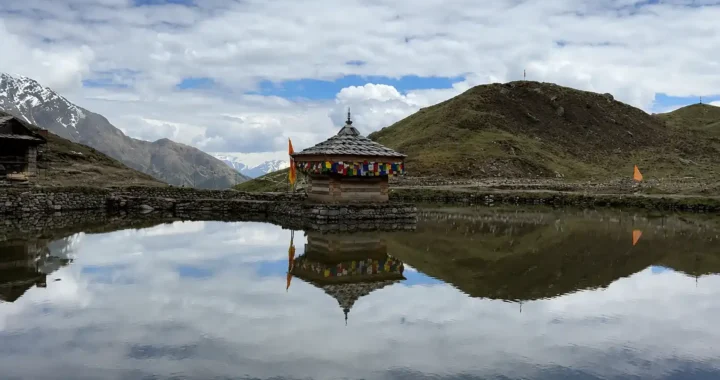
The trek also has a local connection with Nag Devta, the serpent deity worshipped in the region. The popular trail passes by the Nag Devta Temple, adding a cultural touch to the trek.
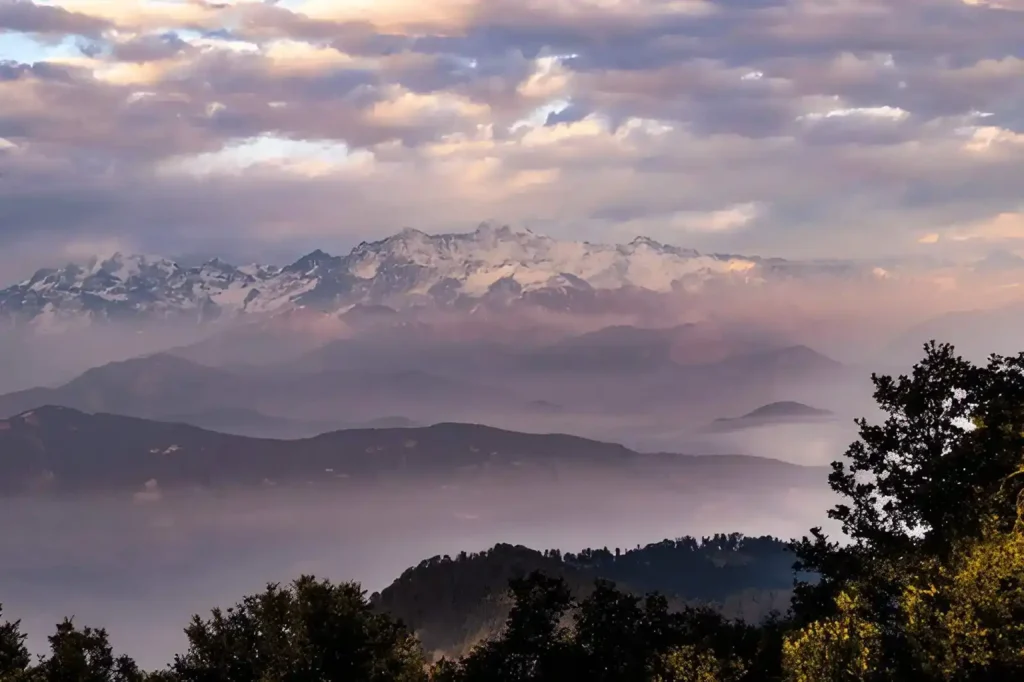
The trail has a mix of steady uphill sections and a steeper climb towards the summit. On a clear day you see peaks such as Bandarpoonch, Kala Nag, Srikanta and Gangotri from the top. Nag Tibba Trek is a good option for beginners and is one of the popular places to visit near Dehradun within 100 km for a short mountain getaway.
Quick Summary: Nag Tibba Trek, Uttarakhand
| Detail | Information |
| Location | Tehri Garhwal, Uttarakhand |
| Trek starting point | Pantwari village |
| Summit altitude | 3,022 metres (9,915 feet) |
| Difficulty | Easy to Moderate |
| Duration | Usually 2 days / 1 night |
| Trek distance | Around 8 km from the Pantwari route (other alternatives also exist) |
| Best time to visit | Spring, post-monsoon and winter, depending on what you want to experience |
| Main attractions | Forest trails, camping, Nag Devta Temple and Himalayan views |
Where Is Nag Tibba?
Nag Tibba is located in the Tehri Garhwal district of Uttarakhand, in the Garhwal Himalayas. It is close to Dhanaulti and Mussoorie, making it a convenient weekend trek from Dehradun and nearby areas.
The summit is around 3,022 metres (9,915 feet) above sea level. The trek also passes the Nag Devta Temple, which is a local religious site. From the summit, you can get views of several Himalayan peaks on a clear day,
Nag Tibba Location and Distance
The most popular route to Nag Tibba starts from Pantwari village. To start the the trek, you first need to reach Pantwari village, the main starting point for the popular route.
| Starting point | Distance to Nag Tibba Starting Point | Approx. time (By Road) |
| Dehradun | 85-90 km | 3-4 hours |
| Rishikesh | 110-120 km | 4-5 hours |
| Mussoorie | 50 km | 2 hours |
| Dhanaulti | 35-40 km | 1.5-2 hours |
| Delhi | 330 km | 7-8 hours |
Note: Road distance and travel time can vary depending on the route, traffic, road conditions and weather.
Nag Tibba Trek Route
The distance may vary depending on the route and campsite you choose. The route most trekkers use is Pantwari-Khatian-Nag Tibba route, which is generally planned as a two-day trek with one night of camping.
Nag Tibba Trek Route from Pantwari Village (Shorter Route)
The Pantwari route is the most common and the shortest route for two-day Nag Tibba trek. It is only 8km away from the Nag Tibba and takes approximately 5-6 hours to reach the first campsite at Khatian from Pantwari.
Nag Tibba Trek Route from Dewalsari Village (Longer Route)
However, Pantwari is not the only way to reach Nag Tibba. The route through Thatyur and Dewalsari also lead to the trek. Thatyur acts as a base point, Dewalsari is approximately 7 km from Thatyur, and Nag Tibba is a further 14 km from Dewalsari. This is a longer route and is less commonly used for the usual 2-day trek.
Nag Tibba Trek Itinerary
Day 1: Dehradun to Pantwari to Nag Tibba Base Camp
- Drive early morning from Dehradun to Pantwari, depending on the traffic and road conditions.
- Trek from Pantwari to Khatian campsite
- Pass through the Nag Devta Temple on the route.
- Camp overnight at the Khatian base camp.
Day 2: Khatian to Nag Tibba Summit to Pantwari
- Start early morning trek to Nag Tibba summit (and around 2-3 AM if you are planning for sunrise).
- Reach the Nag Tibba Jhandi (Flag at the top) and spend time for views of Bandarpoonch, Kala Nag, Srikanta and Gangotri, then get back to Pantwari.
- Drive back to Dehradun/Delhi.
Nag Tibba Trek Route Details
Pantwari to Nag Tibba Base Camp
The trek starts from Pantwari village that takes you uphill towards the Nag Devta Temple. After visiting the temple, the trail continues through village paths, fields before entering oak and rhododendron forest. After around 2-3 hours of hiking from Pantwari, you will pass through The Goat Village, an eco-tourism property. Continue uphill towards the Khatian campsite, from where the route continues to the Nag Tibba Base Camp and summit.
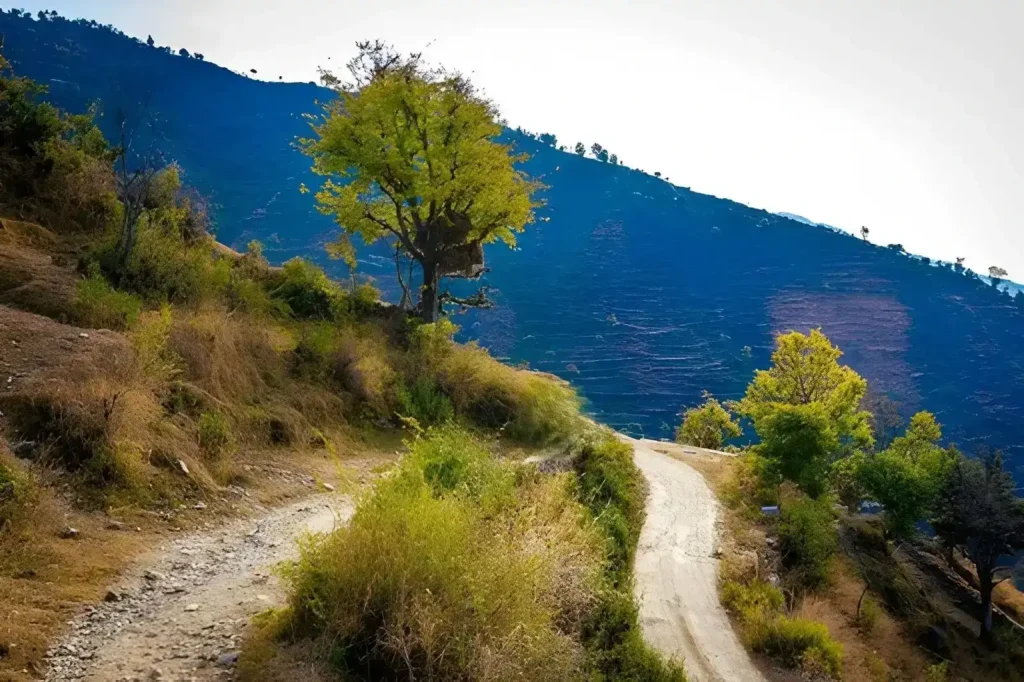
- Starting Point: Pantwari village
- Distance: Around 6 km to the Khatian campside
- Walking Time: Around 3-4 hours (at an average speed)
- Trail: Village paths, fields, then steady uphill through forest and rocky sections
The main trail is generally easy to follow but village junctions can be confusing, especially if you are trekking solo. A local guide or an offline map can help you stay on the right direction.
Reach Pantwari by late morning and start the trek by early afternoon. 2-3 reliable water sources available up to the base camp, so carry enough water with you.
Some sections are rocky and uneven, so wear comfortable trekking shoes for safety. Temperature can drop after sunset, so keep warm clothes with you and rest early for the summit day.
Base Camp to Nag Tibba Summit
The climb to the summit is steeper and more tiring than the earlier sections of the trek. Snow or wet trails can make the trail slippery, so wear trekking shoes with good grip and carry a headlamp, if starting early-morning.
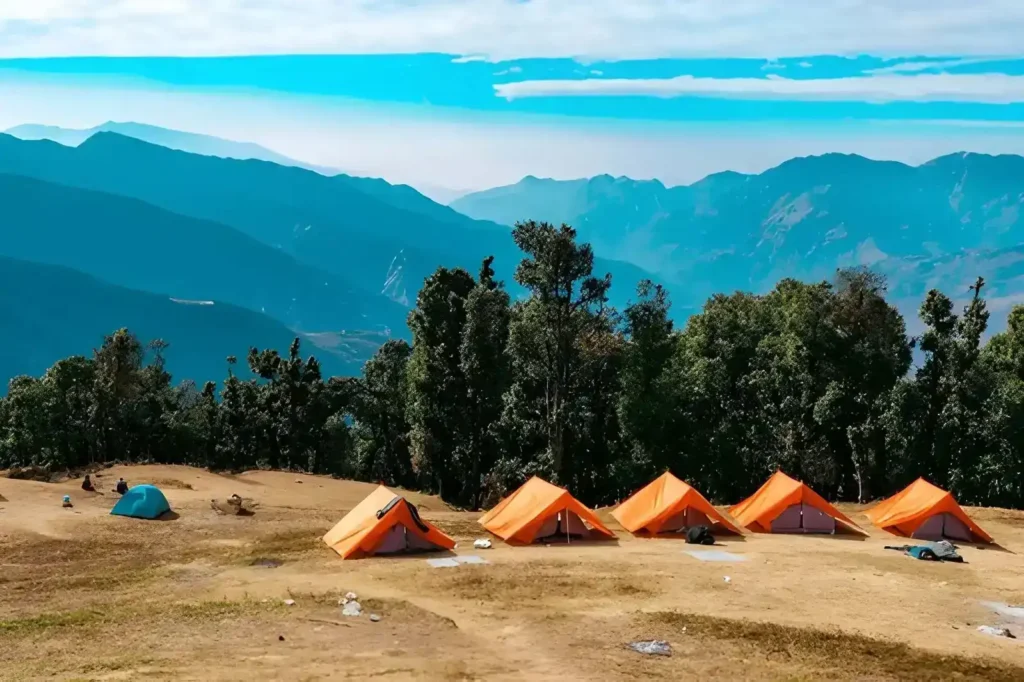
- Distance: around 2-3 km (depends on the campsite location).
- Time: Around 45-60 minutes from Khatian
- Trail: forest trail followed by steeper climb towards the summit
At 3,022 metres (9,915 feet), you will reach the Nag Tibba Jhandi (Flag at the summit) from where you can see various Himalayan peaks including Bandarpoonch, Kala Nag, Srikanta and Gangotri.
Nag Tibba Summit to Pantwari
After spending some time at the summit, most trekkers return to Pantwari by the same route. Heading back can be tiring, especially on rocky or slippery sections, so take your time.
It usually takes around 3-4 hours to reach Pantwari from the summit. You can also take an alternate route towards Bhatwadi, which is around 8 km from Pantwari. This route passes through the forest and follows a stream for part of the way before reaching village. Follow the stream for about 1 hour. After that, the forest ends and you will reach farmland. From there, Bhatwadi village is another 1 hour away.
How Difficult Is Nag Tibba Trek?
The difficulty level of Nag Tibba trek is easy to moderate. It is suitable for beginners with a basic fitness. The trail is not technically difficult, but there is steady uphill walk from Pantwari, with rocky and rough sections with a steeper climb towards the summit. If you are not used to hiking, this part can feel tiring.
No special training is required, but regular walking, climbing stairs or light cardio before the trek can help. Slippery route due to rain and snowfall start can make the trek more demanding, so good trekking shoes, warm clothes and a steady pace are important.
What is the Best Time for Nag Tibba Trek?
Nag Tibba trek can be done almost year-round, but the best time depends on the weather and experience you want.
- Oct-Nov/Mar-Apr: Skies are clear, comfortable temperatures and good Himalayan views. Best for first-timers.
- Dec-Feb: Snow on the upper trail and colder nights. Choose this if you want a short winter snow trek.
- Jul-Sep (Monsoon): Avoid these months due to Muddy, slippery trails and poor visibility.
How to Reach Nag Tibba Trek Starting Point?
For Uttarakhand’s popular Nag Tibba trek, you first need to reach Pantwari village, the starting point of the trek.
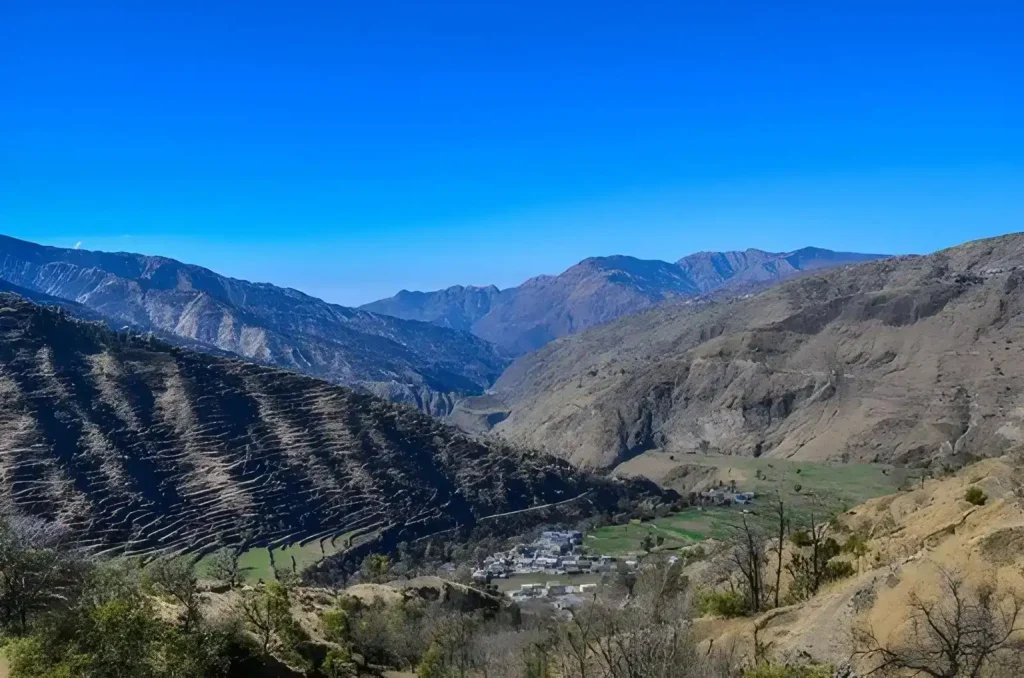
- From Dehradun: Pantwari is around 85 km from Dehradun and takes about 3-4 hours by road. You can reach Pantwari by private car, taxi or local transport. Start early if you plan to begin the trek the same day.
- From Delhi: You can travel to Dehradun by bus, train, flight or car. From Dehradun, continue by road to Nag Tibba base location by taxi or local transport.
- From Mussoorie or Dhanaulti: You can reach Pantwari by road from either place. A taxi or private car is the most convenient option.
- From Rishikesh: You can take a bus to Dehradun and then continue to Pantwari by taxi or local transport. Alternatively, you take local transport or hire a taxi directly to Pantwari, the main starting point of the Nag Tibba trek.
Can You Do the Nag Tibba Trek Solo?
Yes, Nag Tibba trek can be done independently and the popular Pantwari route is generally easy to follow. However, some trail junctions can be confusing, and conditions can change with weather.
If you are traveling solo, download offline map, carry water and food with you, and don’t assume that tents or camping space will be available when you arrive. If you are not carrying your own camping gear, confirm rental or campsite arrangements in advance.
If you are planning a winter or sunrise trek, consider a local guide, especially if you are not familiar with the mountain trails or don’t have much trekking experience.
Nag Tibba Trek in Winter
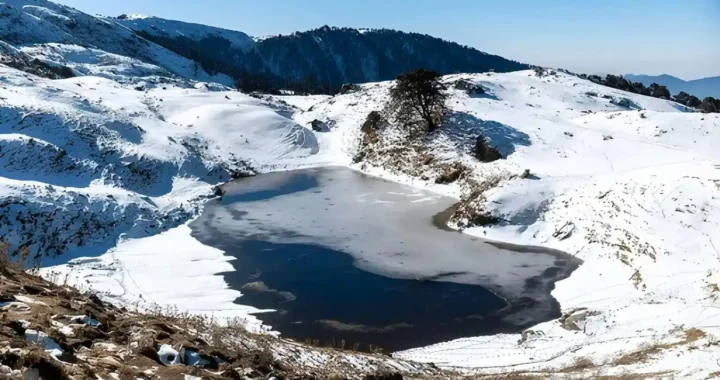
Nag Tibba is a popular winter trek because the higher sections can receive snowfall, especially from December to February. However, snowfall depend on current weather, so don’t assume the trail will be snow-covered simply because you are visiting in these months.
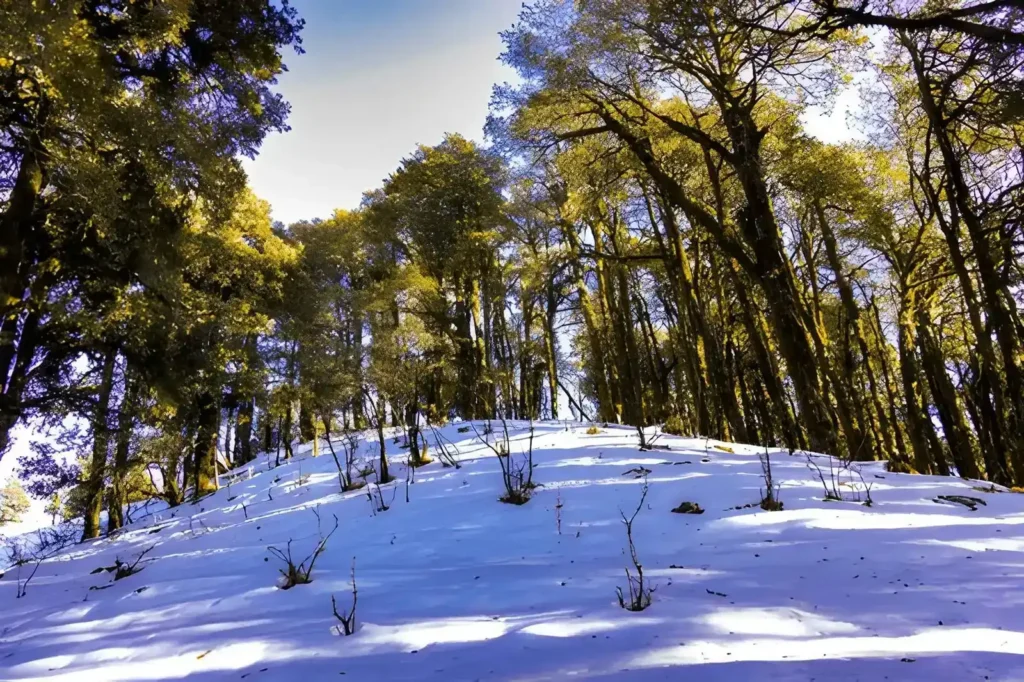
In winter, the trail can be cold, snowy or slippery, especially around the higher sections and summit. Temperatures can drop sharply at night, so carry warm clothes, gloves, a cap and thermal wear. If there has been fresh snowfall, allow extra time for the summit section and be more careful on descents.
Snow and freezing temperatures in winter season can make the trek more demanding than trekking in dry conditions. If you are doing your first winter trek, check the latest weather and trail conditions before leaving for Pantwari.
What to Pack for Nag Tibba Trek?
For the 2-day Nag Tibba trek, you don’t need to carry a heavy backpack. Pack for the weather and keep the essentials with you.
- Good-grip trekking shoes for the rocky and uneven trail.
- Warm layers such as a fleece, jacket, cap and gloves, especially for winter and cold nights.
- Water bottle and enough water for the trail, as water sources are limited.
- Rain jacket or poncho because mountain weather can change quickly.
- Headlamp or torch if you’re starting early for sunrise.
- Snacks such as energy bars, dry fruits or chocolates.
- Sunscreen and sunglasses for daytime trekking.
- Basic first-aid and personal medicines.
- Power bank and phone for navigation and emergencies.
- Small backpack with a rain cover to keep your belongings dry.
If you are camping with an organised trek, check what is included before packing. Tents, sleeping bags, meals and some camping equipment may already be provided, so there is no need to carry them separately.
Nag Tibba Weather

- Temperature
- Precipitation
- Rain Chance
- Wind
- Humidity
- Pressure

Nag Tibba Trek Tips
- Leave from Dehradun around 6-7 AM so you reach Pantwari by late morning and can start the trek in daylight.
- Carry enough water from Pantwari as there are only 2-3 reliable water sources up to base camp.
- Don’t treat trek as a casual walk. The elevation is around 1,600 m. The continuous uphill and steeper summit section can feel tough if you’re not used to hiking.
- Pack light as heavy bag packs can make the climb harder. But don’t skip essentials. Carry a shell jacket, enough water, and snacks.
- Consider local guide if you are starting at midnight for sunrise. A guide can help on the dark and steep trails and sometimes slippery summit section.
- Avoid weekends if possible as the Nag Tibba gets crowded on weekends.
- Wear good-grip trekking shoes. The trail has long rocky and uneven sections.
- Keep extra time for the return. Coming back and drive back to Dehradun might take longer than expected. If you have a train or bus to catch, keep buffer of at least a 2-3 hours.
Where to Stay on the Nag Tibba Trek?
For the popular 2-day Nag Tibba trek near Mussoorie- dehradun, the usual overnight stay is at a campsite near Khatian. You can also stay in Pantwari if you arrive a day early or prefer not to camp.
Camping at Khatian
Most 2-day trek itineraries include an overnight stay at the Khatian campsite. Trekkers usually stay in tents and continue towards the Nag Tibba summit the following morning.
If you book a trek package, tents, sleeping bags, meals and basic camping arrangements are often included, but this can vary between operators. Check what is included before booking.
The campsite has basic facilities rather than hotel-style amenities. Facilities such as toilets, meals, water and charging arrangements can vary depending on the campsite and operator.
Staying in Pantwari
If you reach Pantwari the evening before your trek, you can look for basic local accommodation or homestay-style stays in and around the village. Staying overnight can be useful if you don’t want to start the trek immediately after a long journey from Dehradun.
The Goat Village, Nag Tibba
Unlike the usual campsite at Khatian, Goat Village is a separate stay option along the Nag Tibba route. It is near Laser village and requires a short trek (around 2-3 hours) from Pantwari. Nag Tibba Summit is around 5 km from the property.
You can stay in traditional Koti Banal-style cottages and enjoy local Garhwali food. It is a good option if you want a more comfortable stay instead of camping.
FAQ Related to Nag Tibba Trek
How long is the Nag Tibba Trek?
The most common Pantwari route is around 16 km round-way, including the trek to the campsite, the summit climb and the return to base location.
What is the distance of Nag Tibba trek from Dehradun?
The distance of Nag Tibba starting point (Pantwari) is around 90 km from Dehradun.
What is the distance of the Nag Tibba trek?
From Pantwari, the trek is around 8 km one way, making the total walking distance approximately 16 km for the return journey. The exact distance can vary depending on the campsite and route taken.
Is Nag Tibba Trek Easy for Beginners?
Nag Tibba is considered an easy-to-moderate trek and is good option for first timers. The trail has steady uphill climb, rocky sections and a steeper climb towards the summit, which may feel tiring if you are not used to hiking.
Can I Do the Nag Tibba Trek Without Joining a Trekking Group?
Yes, you can do the Nag Tibba trek independently. Follow the Pantwari route, some trail sections and junctions might be confusing. If you are trekking solo, carry an offline map, enough water and food, and check the weather and trail conditions before starting.
Can I Get Camping Equipment at Nag Tibba Base Camp?
Do not rely on finding camping equipment after reaching the campsite. If you need a tent, sleeping bag or other camping gear, arrange it before starting the trek. If you are booking trek package, check if camping equipment is included before booking.
How Much Does a Solo Nag Tibba Trek Cost?
The cost depends on how you travel, your stay and whether you rent camping equipment. A solo trip to Nag Tibba can cost more. For an exact budget, calculate your taxi, accommodation or camping, food and equipment costs separately.
Can I Book Accommodation at Nag Tibba After Reaching There?
It is better to plan your stay before reaching Nag Tibba, especially on weekends, holidays and during the winter snow season. Camping arrangements and local stays can be limited, so do not assume that accommodation will be available when you arrive.
What Is the Best Month to Visit Nag Tibba?
For comfortable trekking and clearer mountain views, Visit on October-November and March-April. Plan between December and February if you want a snow.
Is Nag Tibba Good Option for a Weekend Trip from Delhi?
Yes. Nag Tibba is a perfect option for a short Uttarakhand trip from Delhi. Travel to Dehradun in 3-4 hours and then continue by road to Pantwari (the base of trek). A 2-day itinerary works well if you reach Dehradun the previous evening or start early on Day 1.
What Do I Need Carry for a Solo Nag Tibba Trek?
For a solo trek, carry good-grip trekking shoes, enough water, snacks, warm clothes, a rain jacket, headlamp, power bank, offline map and basic first-aid supplies. Also carry your own tent, sleeping bag and other camping equipment with you